The Role of Rare Earth Elements in Modern Portfolios
Exploring the critical intersection of mineral scarcity and the global energy transition.
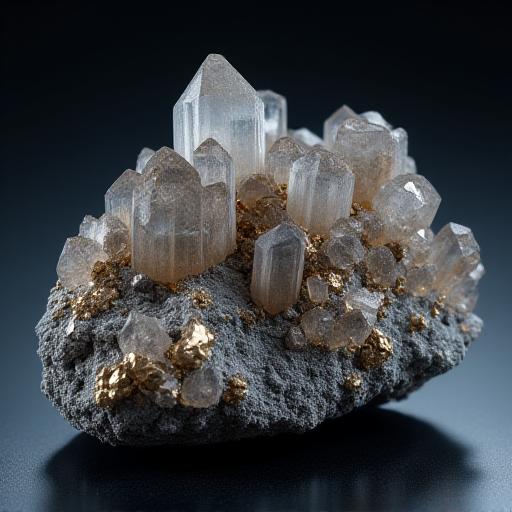
Introduction: The Invisible Bedrock of Tech
Rare Earth Elements (REEs) are a group of seventeen chemical elements in the periodic table, specifically the fifteen lanthanides plus scandium and yttrium. Despite their name, they are relatively abundant in the Earth's crust, but they are rarely found in concentrated, economically exploitable deposits. Today, these elements represent the "vitamins" of modern industry—essential in small quantities for the high-performance functionality of smartphones, missile guidance systems, and, most critically, green energy technology.
Why Now?
As the world pivots toward a decarbonized economy, the demand for REEs is projected to grow fivefold by 2030. For the sophisticated investor, this represents a unique structural growth opportunity that transcends traditional market cycles.
The EV Revolution: Neodymium and Praseodymium
The transition to electric vehicles (EVs) is the primary engine driving REE demand. Specifically, Neodymium and Praseodymium (NdPr) are critical for the production of high-strength permanent magnets used in EV motors. These magnets allow for lighter, more efficient engines, directly impacting the range and performance of the vehicle.
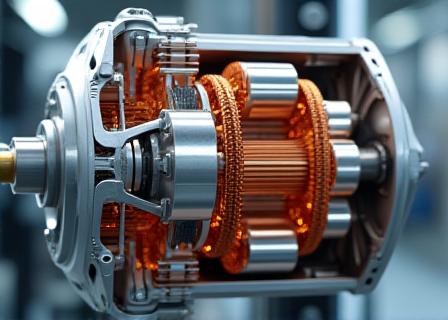
8-10kg
The average amount of rare earth minerals required for a single offshore wind turbine generator.
1kg
The approximate weight of NdPr magnets found in a typical electric vehicle drivetrain.
Geopolitical Factors and Supply Chain Bottlenecks
Investment in REEs is as much about geopolitics as it is about economics. China currently controls approximately 60% of global production and over 85% of refining capacity. This concentration creates a significant